Optimal Timing for Concrete Installations
Concrete installations require specific weather conditions to ensure proper curing and durability. In Charleston, South Carolina, the optimal time for concrete work typically aligns with mild, dry weather periods. Temperature stability and low humidity are crucial for achieving high-quality results.
Spring offers moderate temperatures and lower humidity, making it ideal for concrete projects. It allows sufficient time for curing before the hotter summer months.
Fall provides cooler temperatures and less rainfall, reducing the risk of delays and cracking during curing. It is a preferred season for many contractors.
Summer heat can cause rapid drying and cracking, while winter cold can hinder curing. Planning installations outside these extremes ensures better results.
The best temperature range for concrete installation is between 50°F and 85°F. Maintaining this range during curing promotes strength and longevity.
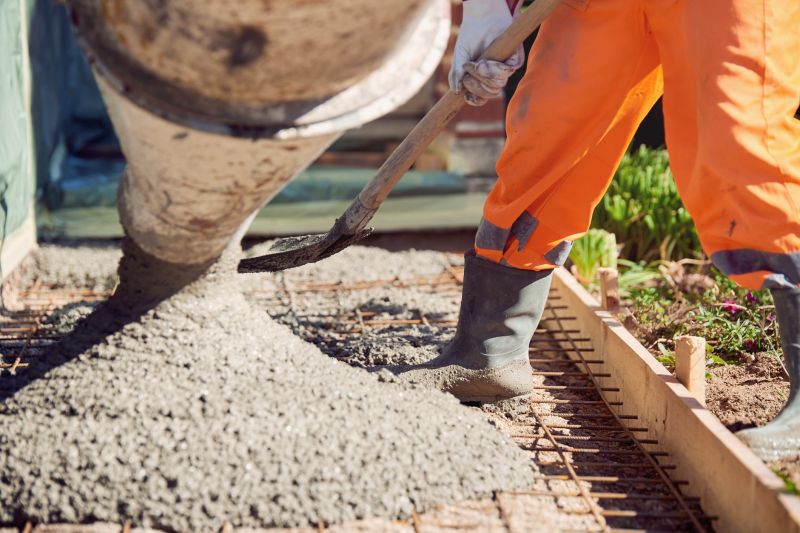
Ways to make Concrete Installations work in tight or awkward layouts.
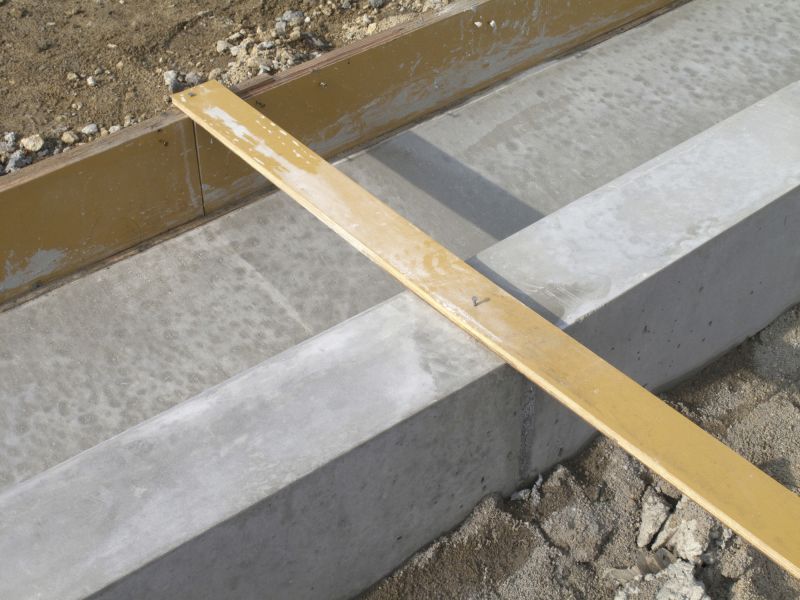
Popular materials for Concrete Installations and why they hold up over time.
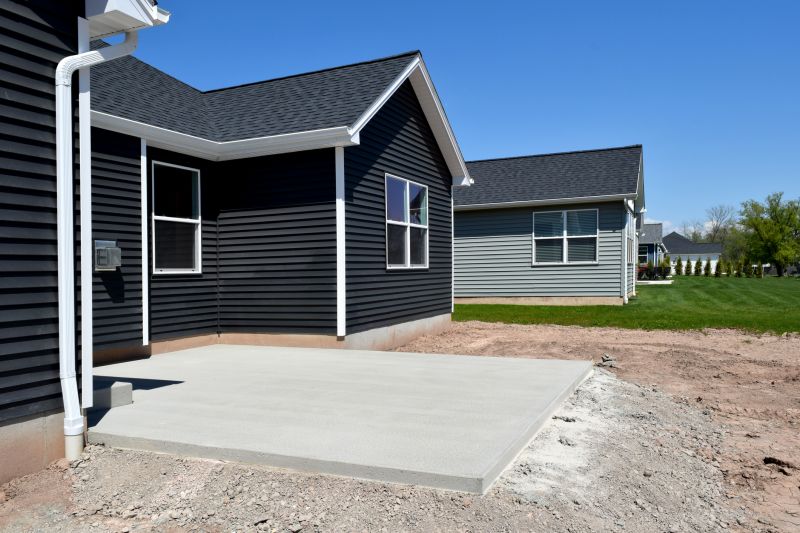
Simple add-ons that improve Concrete Installations without blowing the budget.
High-end options that actually feel worth it for Concrete Installations.
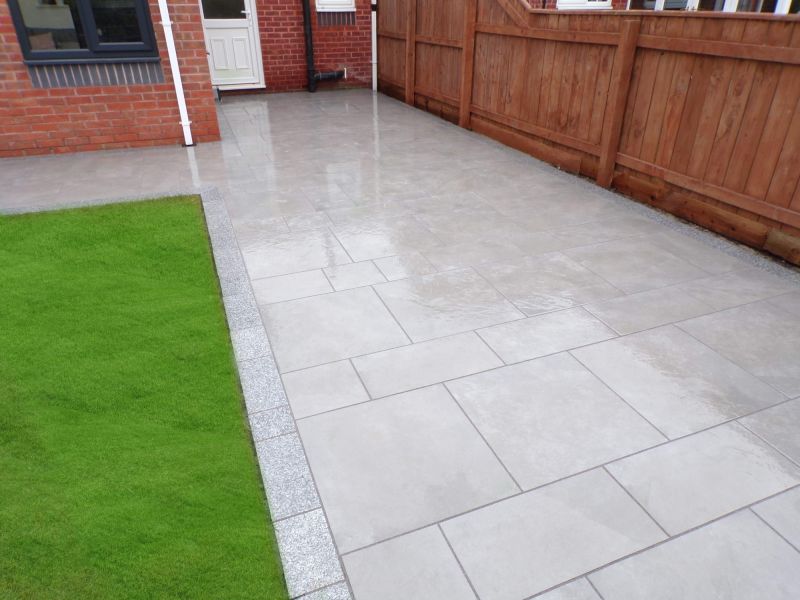
Finishes and colors that play nicely with Concrete Installations.

Little measurements that prevent headaches on Concrete Installations day.
| Season | Optimal Conditions |
|---|---|
| Spring | Moderate temperatures, low humidity, minimal rainfall |
| Summer | High temperatures, risk of rapid drying, potential for cracks |
| Fall | Cooler temperatures, less rain, ideal for curing |
| Winter | Cold temperatures hinder curing, risk of frost damage |
Statistics indicate that concrete reaches about 70% of its full strength within the first week of curing, with complete strength developing over 28 days. Proper scheduling within optimal weather conditions minimizes issues such as cracking, spalling, and uneven curing, leading to longer-lasting structures.
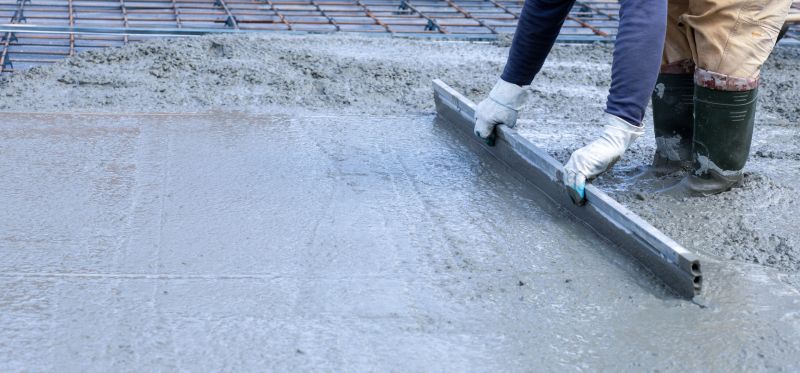
A 60-second routine that keeps Concrete Installations looking new.
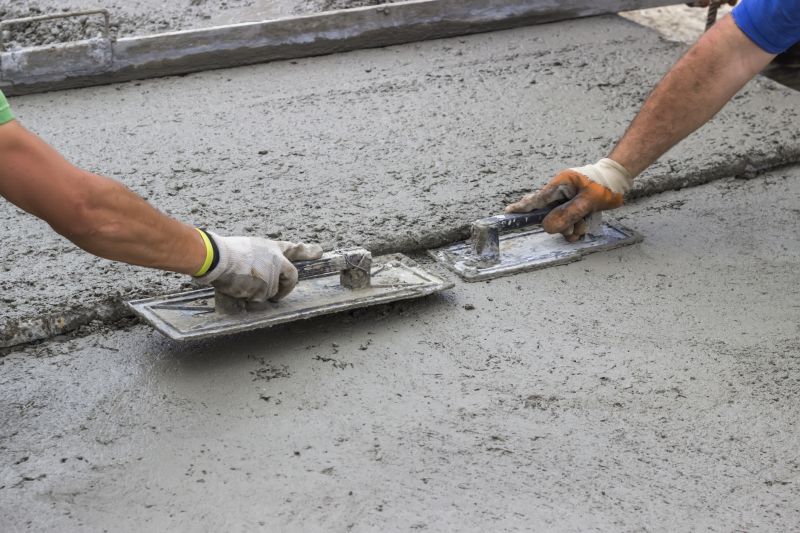
A frequent mistake in Concrete Installations and how to dodge it.
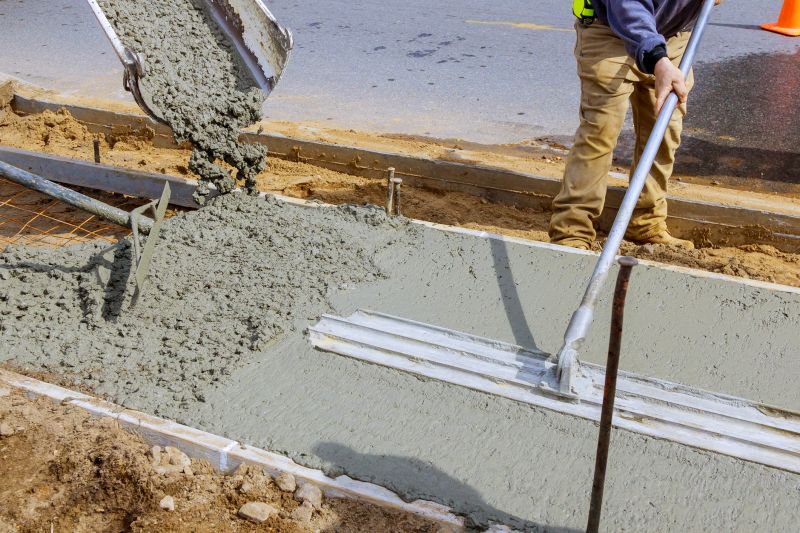
Small tweaks to make Concrete Installations safer and easier to use.
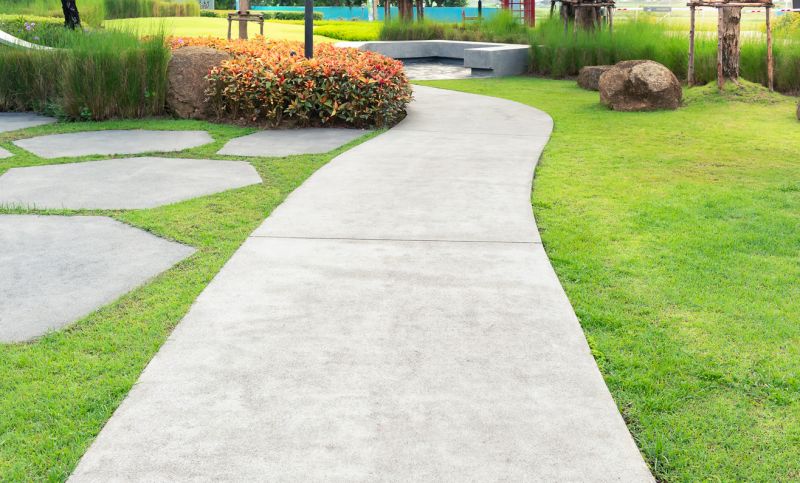
Lower-waste or water-saving choices for Concrete Installations.
For those interested in scheduling concrete installations, it is recommended to contact professionals during the spring or fall months. Proper planning ensures optimal results and longevity of the concrete surfaces.